

ACL Artificial Ligament
Product Overview
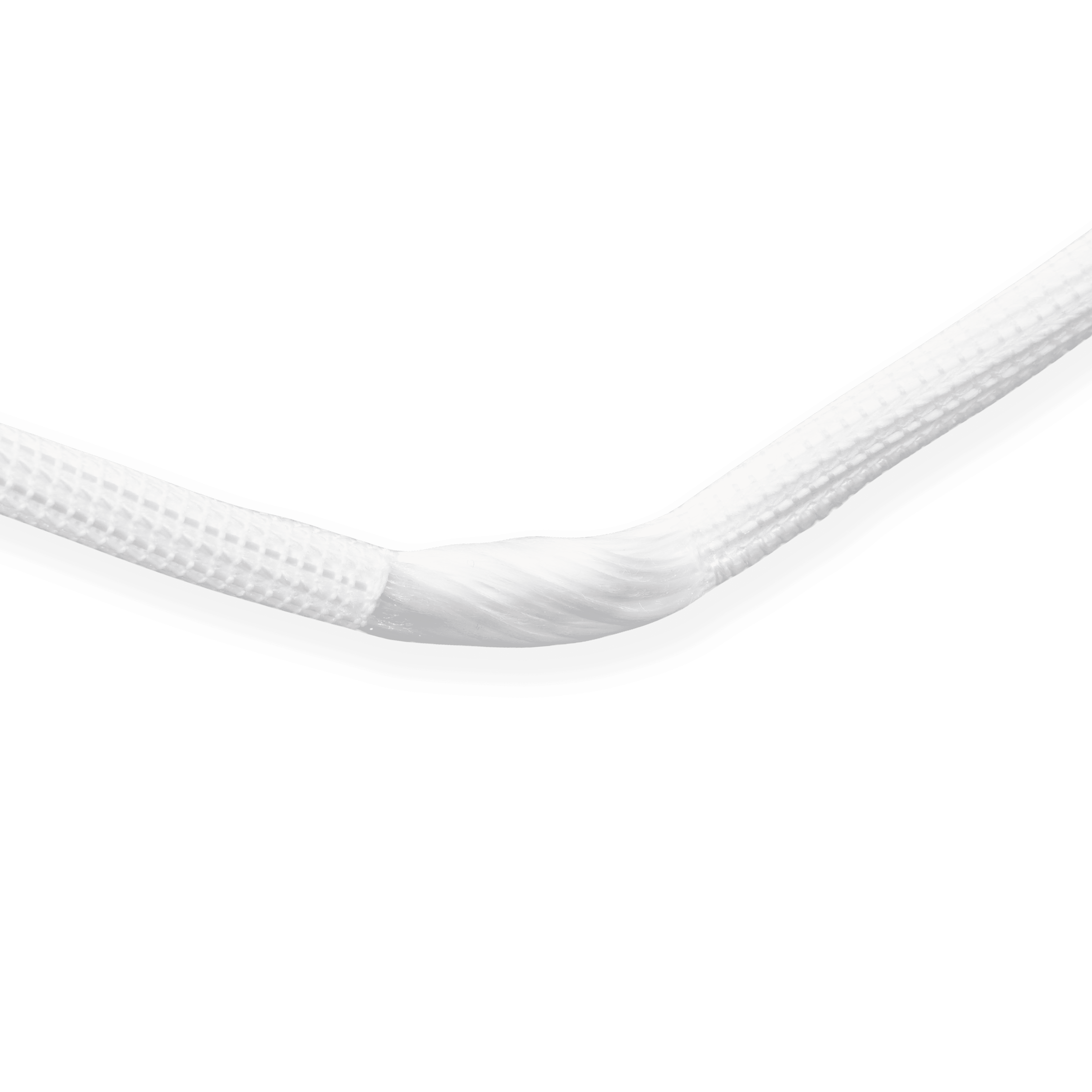
An artificial ligament is a high-performance medical implant manufactured using advanced biomaterials and engineering technologies. It is designed to replace or repair damaged native ligaments in the human body, helping to restore joint stability and functional recovery. Its core advantage lies in early rehabilitation and rapid restoration of function.
Features
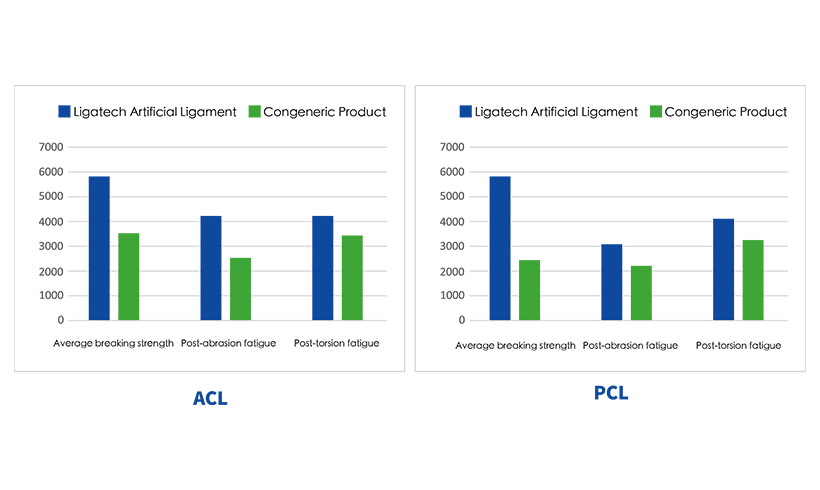
⊙The New-Generation Artificial Ligament is made of PET, a material with well-established biocompatibility.
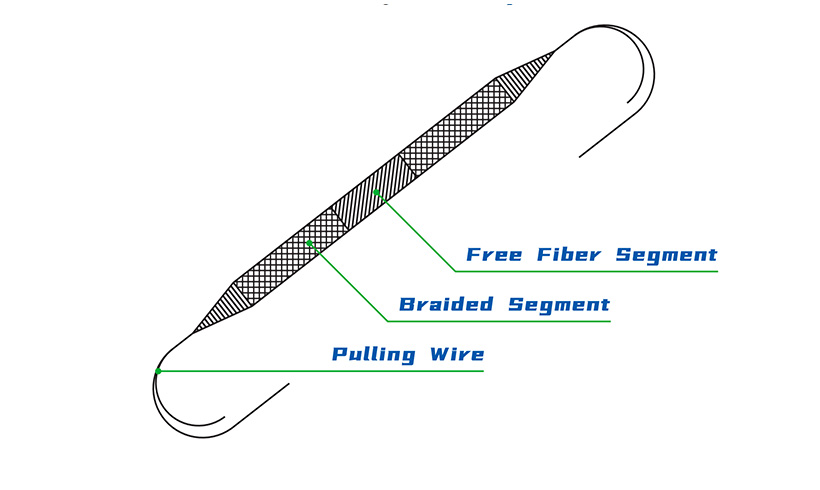
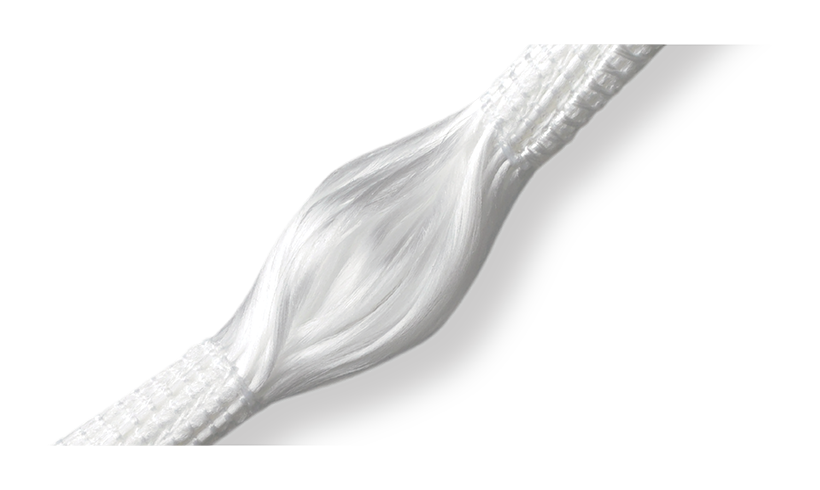
⊙The central free-fiber segment is pre-rotated in a biomimetic twist that mimics the fiber interlocking of the native ligament, reducing stress and wear.
⊙No "ligamentization" process after implantation, allowing for rapid post-operative rehabilitation and early functional recovery.
⊙The porous braided structure allows ingrowth of autologous connective tissue, forming a neo-ligament sheath around the implant and supporting joint function recovery.
⊙High torsional and fatigue resistance, with immediate tensile strength after implantation.
⊙Available in a complete range of sizes for individualized selection.
Expert Consensus
The Chinese Expert Panel on Anterior Cruciate Ligament Reconstruction with Next-Generation Artificial Ligaments (NGAL) has developed this expert consensus to provide guidance and reference for orthopedic sports medicine specialists considering or adopting NGAL for ACL reconstruction.
01. Compared with ACL reconstruction using autografts or allografts, the prominent advantage of next-generation artificial ligament reconstruction lies in enabling patients to functional recovery early
02. The postoperative recovery period of ACL reconstruction with next-generation artificial ligaments is significantly shorter than that with autografts or allografts.
03. Patients undergoing ACL reconstruction with next-generation artificial ligaments can initiate accelerated rehabilitation postoperatively.
04. Short-term and mid-term follow-up studies have demonstrated that next-generation artificial ligament reconstruction for ACL offers significant advantages in joint stability and functional recovery compared to autograft and allograft-based ACL reconstruction.
Following standardized rehabilitation training after ACL reconstruction with next-generation artificial ligaments, patients typically regain: Daily living abilities: 2 to 6 weeks postoperatively; Mild physical activity capacity: 4 to 12 weeks postoperatively; Recreational sports capability: 8 to 16 weeks postoperatively; Competitive sports performance: 12 to 20 weeks postoperatively.
Source of Information: Chin J Orthop, April 2020;40(8)
The clinical use of artificial ligaments has been reported in the literature; readers are referred to published peer-reviewed studies. This page does not constitute a guarantee of clinical outcomes.
Technical Specifications
| Product type | REF. | Description |
| ACL | L01060L | Left · Ø 6.0mm |
| L01060R | Right · Ø 6.0mm | |
| L01065L | Left · Ø 6.5mm | |
| L01065R | Right side · Ø 6.5mm | |
| L01070L | Left · Ø 7.0mm | |
| L01070R | Right · Ø 7.0mm | |
| L01075L | Left side · Ø 7.5mm | |
| L01075R | Right · Ø 7.5mm | |
| L01080L | Left · Ø 8.0mm | |
| L01080R | Right · Ø 8.0mm | |
| L01085L | Left · Ø 8.5mm | |
| L01085R | Right · Ø 8.5mm | |
| L01090L | Left · Ø 9.0mm | |
| L01090R | Right · Ø 9.0mm | |
| L01095L | Left · Ø 9.5mm | |
| L01095R | Right · Ø 9.5mm |
Operation Video
Frequently Asked Questions (FAQs)
The artificial ligament is designed for long-term implantation. Clinical service life is affected by multiple factors including patient age, activity level, bone tunnel placement and rehabilitation compliance, and should be assessed by the treating surgeon on a case-by-case basis. Please follow the instructions for use and your physician's advice.
The implantation procedure typically takes approximately 20 minutes. Due to its short operative time, minimal associated trauma, and no need for additional autologous tendon harvesting, patients can get out of bed and move slowly immediately after surgery (follow medical advice for special cases).
First, autologous ligament reconstruction requires harvesting the hamstring tendon from the back of the thigh to replace the torn cruciate ligament, while artificial ligaments can be directly implanted without harvesting the patient's own tendon.
Second, in terms of biomechanical performance, the strength of artificial ligaments is significantly that of autologous tendons and native ligaments.
Since artificial ligaments do not require the "ligamentization" biological remodeling process necessary for autologous tendon grafts, it offers significant advantages in early postoperative rehabilitation. Patients undergoing artificial ligament reconstruction can typically resume daily activities and work within approximately 1 month after surgery. In contrast, patients with autologous tendon reconstruction may only be able to perform bedside activities and basic rehabilitation training during the same period, with significantly delayed functional recovery.
As with any implant, individual variability and potential risks exist. Please refer to the warnings and precautions in the instructions for use.
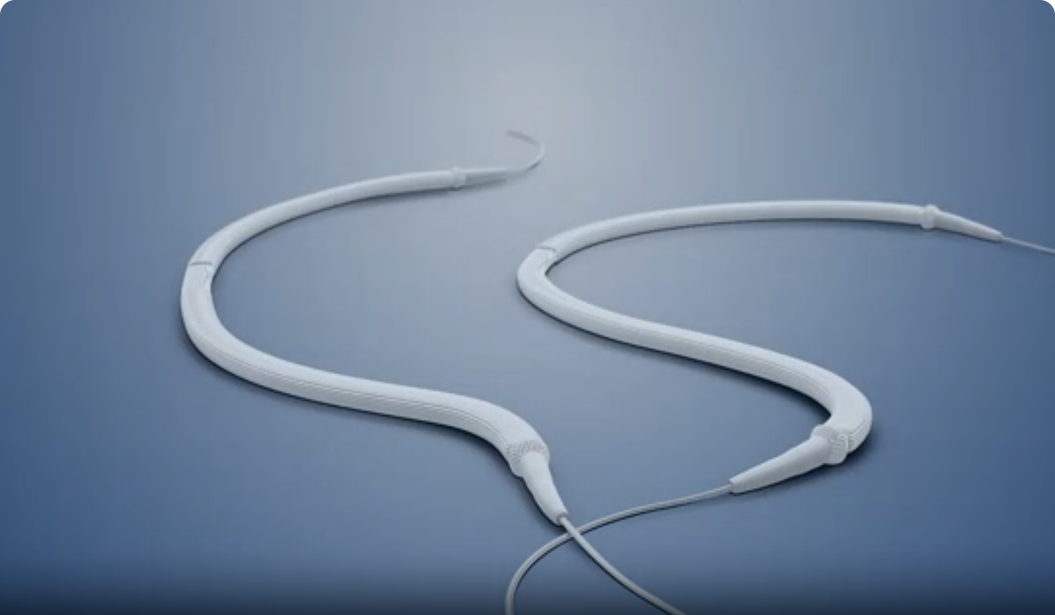
The artificial ligament is fixed directly within the bone tunnel using interference screws, differing mechanically from suspensory fixation.
Cruciate ligament injuries in the elderly generally have two characteristics: (1) Elderly individuals rarely participate in high-contact sports, so anterior cruciate ligament (ACL) tears due to torsion are uncommon; (2) Elderly patients are prone to posterior cruciate ligament (PCL) injuries caused by accidental falls. It is particularly emphasized that the PCL holds greater biomechanical significance in maintaining knee joint stability in middle-aged and elderly individuals.
All three types—autologous, allogeneic, and artificial ligaments—can be used long-term. The design, strength, and applicability of artificial ligaments enable lifelong use. Clinical practice has shown that the decisive factors for a successful ligament reconstruction are primarily precise surgical technique (isometric point localization) and standardized postoperative rehabilitation. Meeting these two requirements typically results in long-term stable functional outcomes.
As a non-biological implant, the artificial ligament does not rely on biological healing — which is precisely its clinical advantage: no healing period is required.
First, there is no need to wait for a healing period (autologous ligaments require 1 year for healing), allowing for rapid functional recovery. Second, it avoids the risk of poor healing.